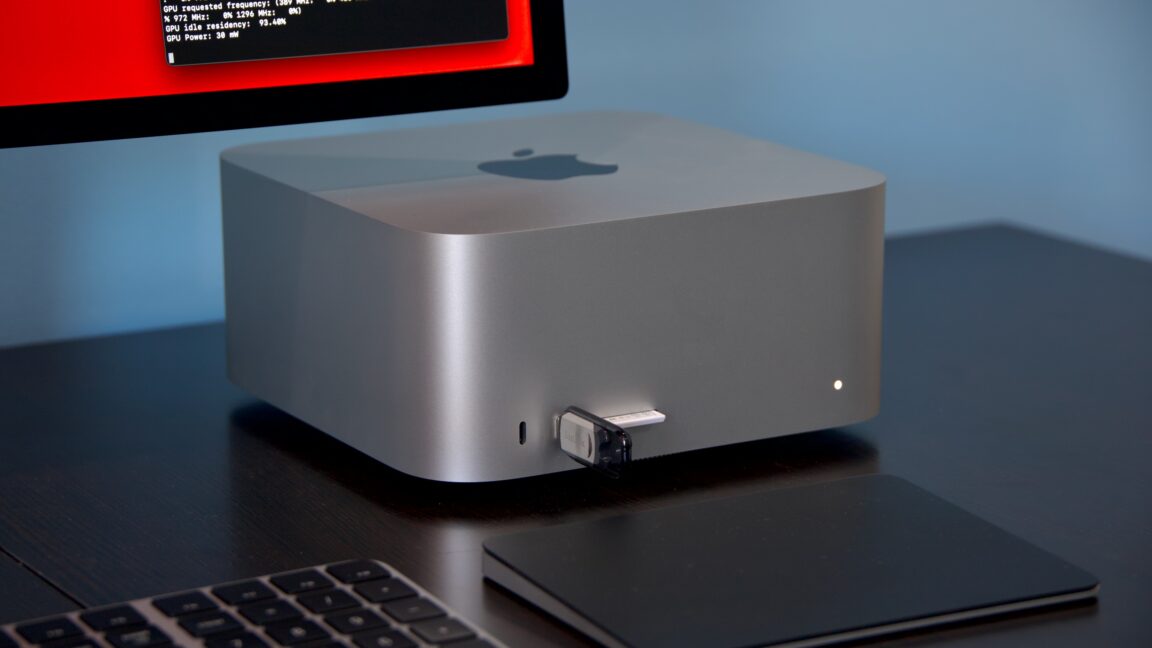
In an era where artificial intelligence is reshaping industries, the hardware that supports these innovations is equally crucial. Apple finds itself at a pivotal moment, where the demand for its high-performance computing devices, specifically the Mac mini and Mac Studio, is outstripping supply. With AI enthusiasts and developers clamoring for powerful machines to run complex algorithms and train models, the pressure on Apple to meet these needs has never been more pronounced.
The core of the problem lies in ongoing semiconductor shortages that have plagued the tech industry since the pandemic. These shortages are exacerbated by the growing appetite for computational power among developers working with AI frameworks such as TensorFlow and PyTorch. Apple's M1 and M2 chips, renowned for their efficiency and performance, have become a favored choice for AI tasks, leading to an influx of orders that the company struggles to fulfill. Current estimates suggest that Apple may take "several months" to catch up with demand, leaving many developers in a lurch as they seek to harness the capabilities of these machines.
Apple's Mac mini and Mac Studio are designed with advanced thermal architecture and GPU capabilities that are particularly suited for AI workloads. The Mac Studio, for instance, can be equipped with up to 128GB of unified memory and up to 64-core GPU options, making it ideal for tasks that require substantial parallel processing power. However, as more AI applications transition from cloud-based solutions to local processing, the demand for such hardware is expected to soar, putting additional strain on Apple's supply chain.
This situation does not exist in isolation. The broader AI landscape is witnessing rapid advancements, with organizations increasingly relying on machine learning models for everything from natural language processing to computer vision. As industries adopt AI technologies, the need for robust hardware capable of supporting these applications has surged. Companies like NVIDIA and AMD have already seen spikes in demand for their GPUs, and as Apple aims to solidify its position in the AI space, it must navigate these supply chain challenges while ensuring product availability.
CuraFeed Take: The implications of this hardware shortage extend beyond just Apple’s immediate sales figures. If Apple can successfully ramp up production and meet the surge in demand, it could strengthen its foothold in the AI market, positioning itself as a serious competitor to established players. However, if delays persist, developers may look elsewhere for their computing needs, potentially shifting the momentum towards other platforms optimized for AI. As the industry evolves, all eyes will be on Apple's next moves in both supply chain management and product innovation in the AI realm.