Revolutionizing Long-Context Tasks: The Rise of Lossless Context Management
In a groundbreaking development, the Lossless Context Management (LCM) architecture significantly enhances the performance of long-context tasks, marking a pivotal shift in memory management for large language models (LLMs). By outperforming established coding agents, this innovative approach could redefine the capabilities of LLMs in complex computational environments.

Rethinking Temporal Reasoning: A Probabilistic Approach to Neuro-Symbolic QA
Large language models (LLMs) struggle with complex temporal reasoning; however, new research suggests that the underlying issue may not be what it seems. By introducing a novel neuro-symbolic framework that disentangles representation from reasoning, this study paves the way for significant advancements in reliable AI systems.
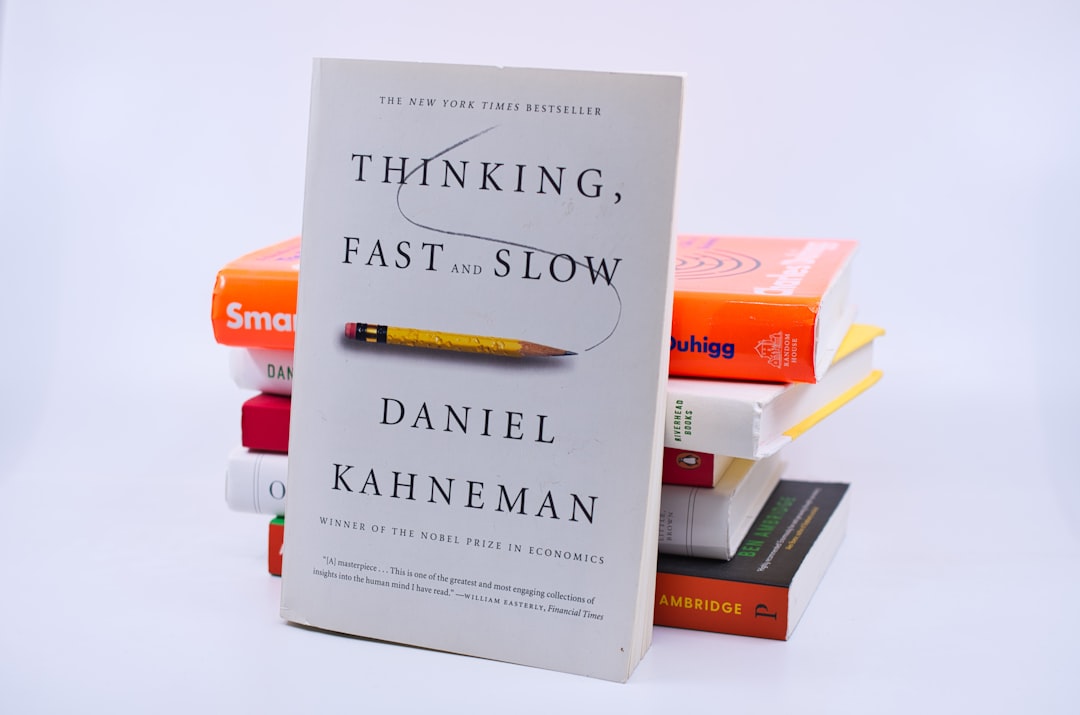
Rethinking Context in Multi-Agent Design: When More Isn't Always Better
The assumption that additional context enhances multi-agent system performance is being challenged by new research, revealing a nuanced relationship between context and design efficacy. This study not only quantifies the crossover effect of knowledge transfer across various tasks but also emphasizes the need for conditional context injection to optimize agent orchestration.

Unraveling Safety Risks in LLM Fine-Tuning Through Parameter Dynamics
The fragility of safety alignment in Large Language Models (LLMs) poses a pressing challenge in the field of artificial intelligence. Recent research unveils a novel approach to quantify the risks associated with fine-tuning, emphasizing the critical role of parameter dynamics in safety degradation.




















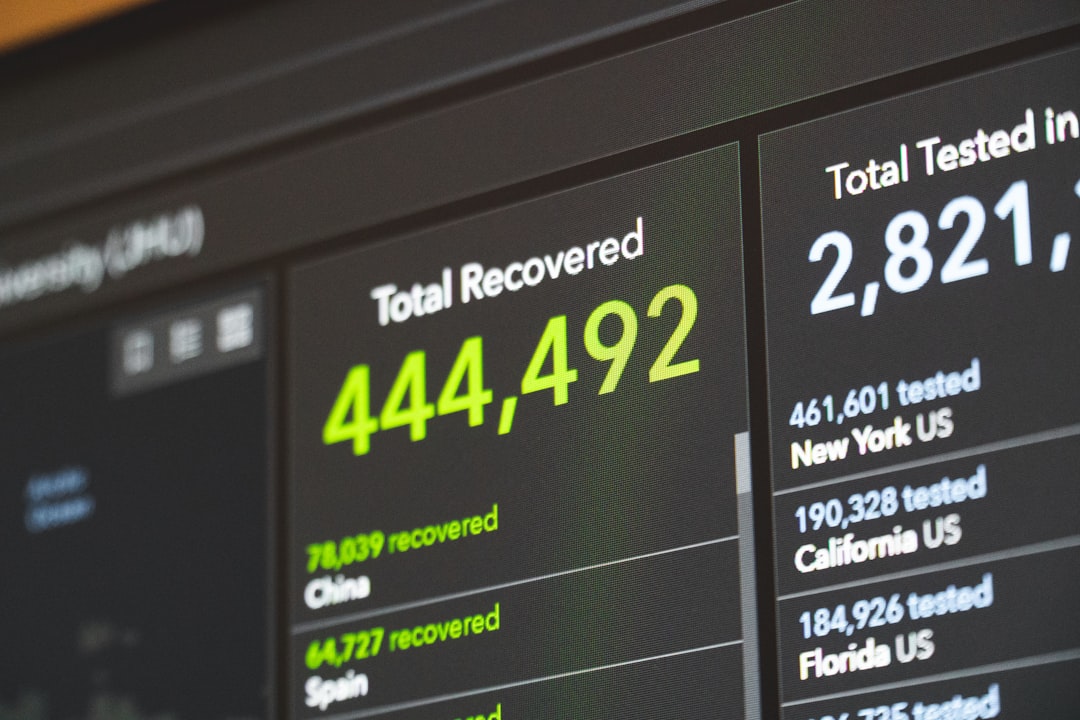




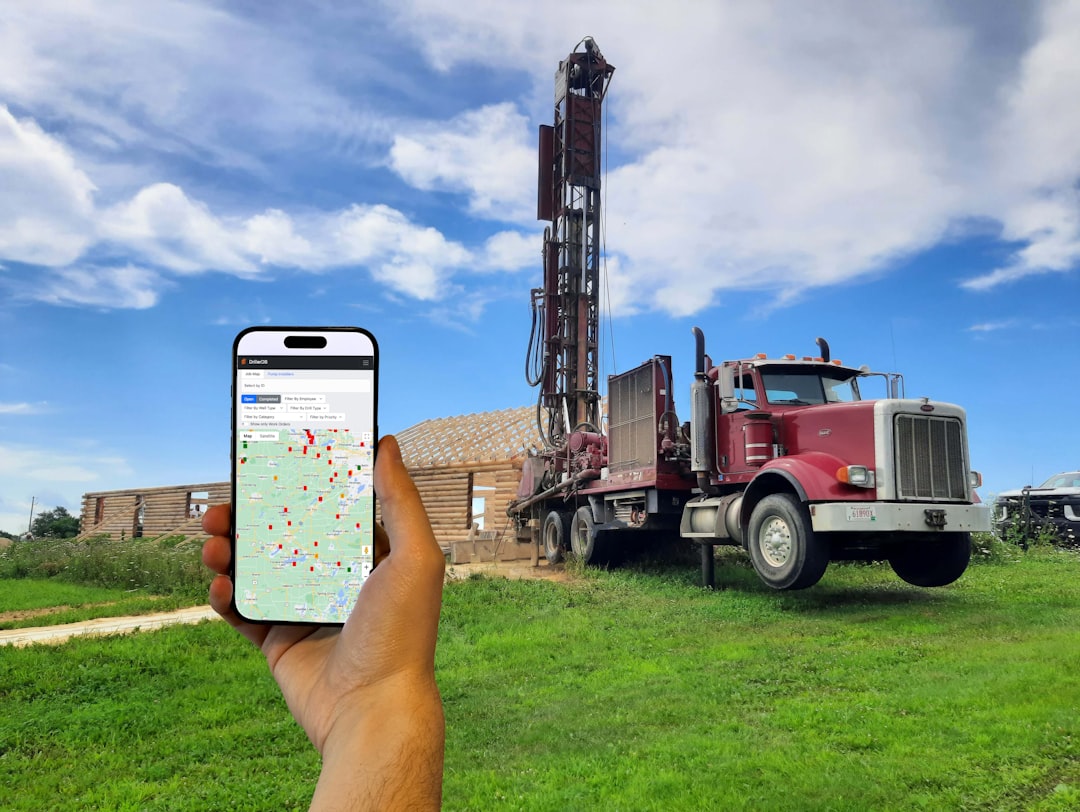











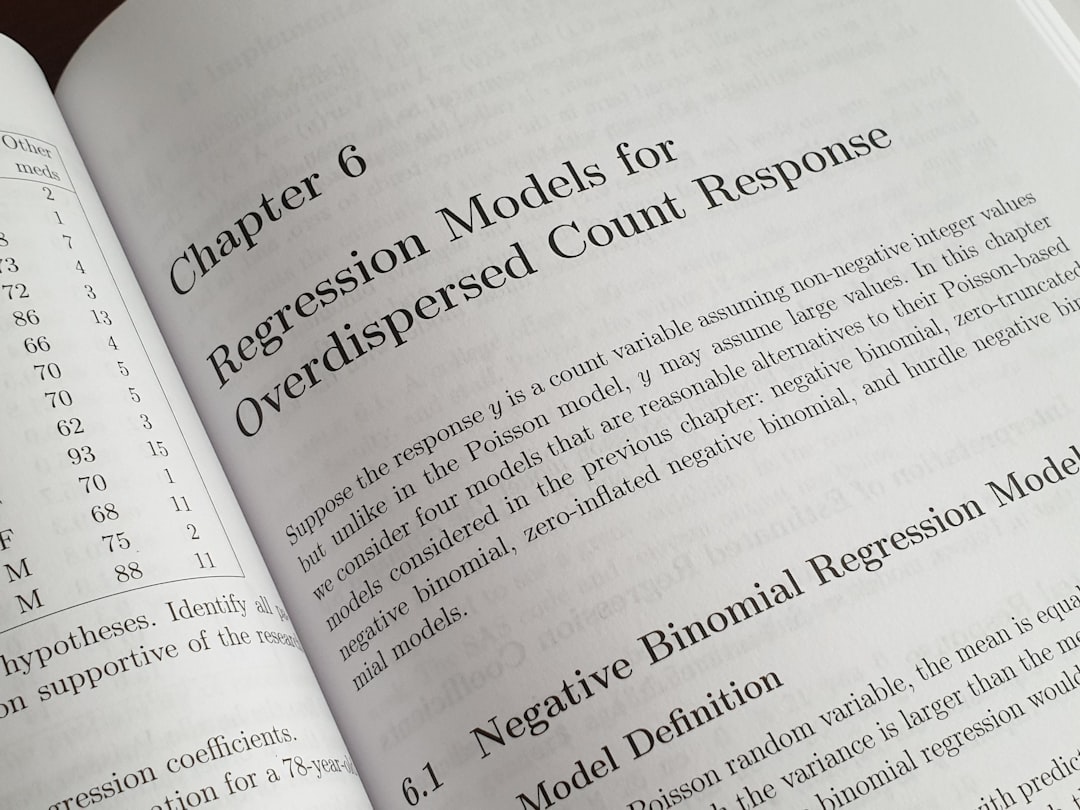




Revolutionizing Surgical Team Dynamics: Real-Time Insights with Time-Expanded Interaction Graphs
As surgical procedures become increasingly complex, understanding the intricate dynamics of surgical teams is essential for optimizing performance. This article explores a groundbreaking approach that leverages time-expanded interaction graphs to model and analyze team dynamics in real-time, paving the way for enhanced surgical outcomes.

Revolutionizing LLM Inference: Unpacking the PARSE Framework
The introduction of the PARSE framework could redefine the limitations currently faced in large language model (LLM) inference. By implementing parallel prefix verification, PARSE promises significant throughput improvements while maintaining accuracy, marking a pivotal step in the evolution of AI language generation.
Rethinking Alignment: Why Model-Level Evaluations Fall Short in AI Deployment
In the quest for robust AI alignment, there's a critical gap between model evaluations and real-world deployment efficacy. This paper underscores the necessity of a multi-tiered approach to alignment assessment that extends beyond mere model outputs to include user interactions and deployment outcomes.

Revolutionizing Activity Recognition: The SensingAgents Multi-Agent Framework
In the realm of Human Activity Recognition (HAR), the SensingAgents framework emerges as a transformative solution, leveraging multi-agent collaboration to enhance IMU sensor performance. This innovative approach not only addresses the limitations of traditional models but also propels the field towards unprecedented accuracy and interpretability.








































Pro$^2$Assist: Revolutionizing Proactive Assistance in Long-Horizon Tasks
The evolution of personal assistants is taking a significant leap with the introduction of Pro$^2$Assist, a system designed to provide proactive support throughout complex procedural tasks. By leveraging multimodal egocentric perception, this innovative approach addresses a critical gap in existing technologies, ensuring continuous assistance that is both timely and context-aware.

Unveiling Agent Island: A Dynamic Benchmark for Multiagent Language Models
The introduction of Agent Island marks a pivotal evolution in benchmarking methodologies for multiagent systems, addressing critical saturation and contamination issues. This innovative environment not only fosters competitive interagent dynamics but also provides a robust framework for quantifying model performance through advanced statistical techniques.

Unpacking the Impact of Reasoning Modes on LLM Moral Judgments
Recent research reveals that the reasoning mode in large language models (LLMs) significantly influences moral judgments, highlighting the nuanced interplay between model architecture and ethical reasoning. By analyzing five leading models, the study showcases how enabling structured reasoning can enhance agreement on complex ethical dilemmas.

Unraveling Ranking Instability in AI Agent Repair: The AuditRepairBench Initiative
The recent introduction of AuditRepairBench shines a light on the critical issue of evaluator-channel ranking instability in agent repair systems, marking a significant advancement in how we assess AI performance. This comprehensive corpus, encompassing over half a million execution traces, offers researchers unprecedented insights into the nuances of evaluator influence and its implications for system reliability.