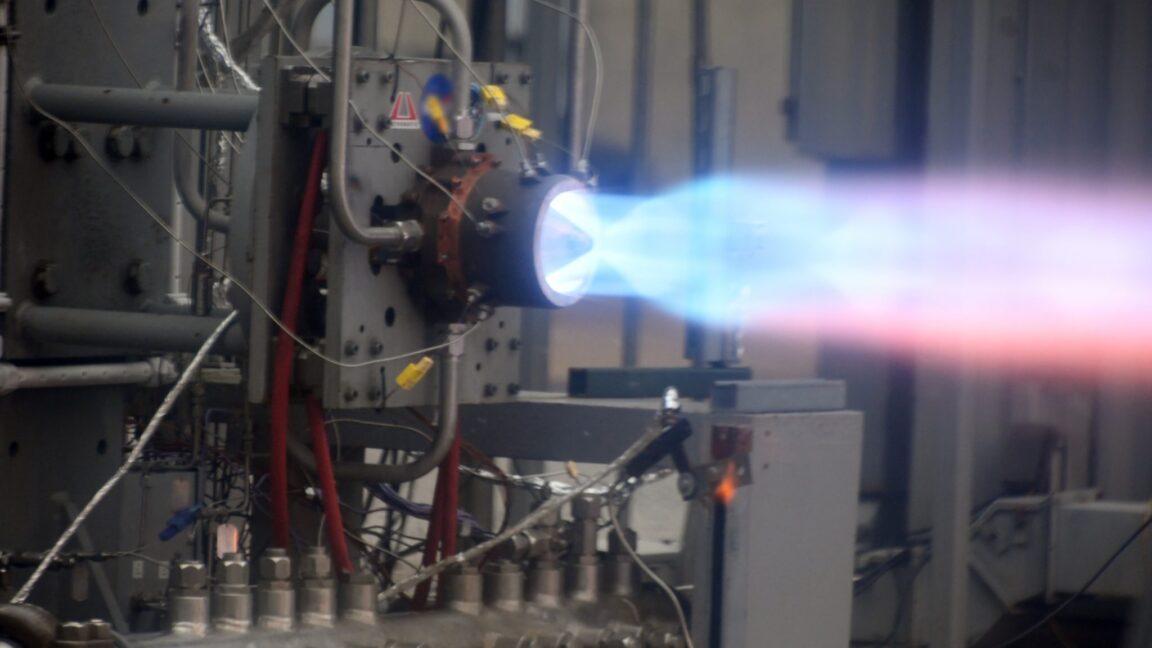
NASA's Artemis III program has made substantial progress toward launch readiness, with engineers confirming that solid rocket booster requirements are no longer blocking critical path milestones. The revised approach allows for more flexible launch configurations, enabling teams to optimize payload delivery within existing launch windows. This decision reflects lessons learned from previous SLS (Space Launch System) integration efforts and demonstrates adaptive engineering practices in large-scale aerospace projects.
The propulsion architecture now accommodates multiple booster configurations, reducing dependency on single-source components and improving schedule resilience. This flexibility extends to ground operations, where teams can execute launch sequences without waiting for specific hardware variants. The technical implication is significant: launch windows expand, and operational constraints diminish—critical factors for lunar mission cadence planning.
Meanwhile, SpaceX's organizational evolution toward AI-centric operations represents a fundamental shift in how commercial launch providers approach vehicle autonomy. Beyond traditional flight control systems, the company is deploying machine learning models for real-time vehicle diagnostics, predictive failure analysis, and autonomous decision-making during launch sequences. This infrastructure encompasses computer vision systems for autonomous landing guidance, neural network-based optimization of fuel management, and reinforcement learning applications in launch abort scenarios.
For developers building with these platforms, the implications are substantial. APIs and telemetry systems increasingly expose AI-driven metrics alongside traditional flight data. Integration with SpaceX's Starlink constellation and emerging space-based compute infrastructure creates new opportunities for edge AI deployment in orbital environments. The convergence of autonomous spaceflight and distributed AI systems is reshaping how engineers approach mission-critical applications in aerospace contexts.