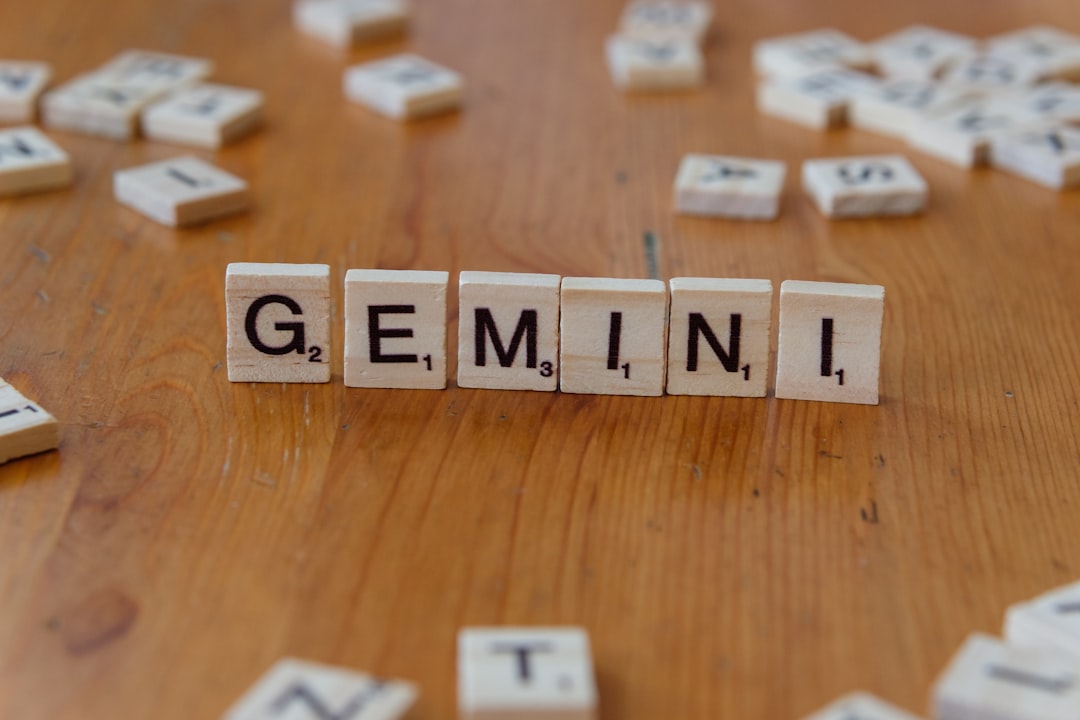
In recent developments, both Google and Anthropic have made headlines with significant advancements in their respective AI technologies. Google’s Gemini has received a major upgrade, particularly for smart home applications, allowing users to execute complex multi-step commands seamlessly. This upgrade positions Gemini as a leader in voice-activated technology, enhancing user experience in smart homes. On the other hand, Anthropic has launched ten preconfigured AI agents specifically designed for the financial services sector, aiming to improve efficiency in areas such as compliance, risk management, and accounting.
The key difference in approach between the two companies lies in their target markets and the functionalities of their AI systems. Google’s Gemini is tailored for everyday users looking to optimize their smart home environments, making it accessible and user-friendly for a broad audience. In contrast, Anthropic’s Claude is geared towards professionals within investment banks and insurance firms, focusing on specialized tasks that require a deep understanding of financial operations. This targeted approach allows Claude to revolutionize financial processes while Gemini enhances consumer convenience.
For developers and tech professionals, the choice between Gemini and Claude largely depends on their specific needs and the industry they operate in. If a developer is involved in building applications for consumer-facing smart home technologies, Google’s Gemini would be the appropriate choice due to its robust capabilities in handling complex user requests. Alternatively, those working in finance or related sectors would benefit from Anthropic’s Claude, as it addresses industry-specific challenges with its suite of AI agents designed to streamline financial operations.
The recent $200 billion deal between Anthropic and Google further underscores the evolving landscape of the AI industry. This monumental agreement not only secures Anthropic access to essential chips and cloud services but also highlights the interdependence between leading AI companies. Such collaborations are pivotal in driving technological advancements and fostering innovation across various sectors, indicating that competition may lead to more comprehensive solutions for consumers and businesses alike.
As these two AI giants continue to innovate, the broader implications for the AI landscape are significant. Google’s focus on improving user experience in smart homes and Anthropic’s commitment to enhancing operational efficiency in financial services showcase the diverse applications of AI technology. This divergence in strategies not only enriches the AI ecosystem but also sets the stage for future breakthroughs, ensuring that various industries will benefit from the advancements being made today.
In conclusion, as developers and tech professionals navigate the rapidly evolving AI landscape, understanding the strengths and weaknesses of both Google’s Gemini and Anthropic’s Claude will be crucial. Each platform offers unique advantages tailored to specific markets, and the ongoing collaboration and competition between these entities will likely shape the future of AI technologies across multiple domains.