In an era where smart home technology is increasingly pivotal to consumer convenience and security, Google has taken a bold step forward with the latest update to its Home ecosystem. The rollout of the Gemini voice assistant represents Google's most substantial enhancement since the AI-led overhaul in 2025. As developers and engineers, understanding these advancements is crucial for harnessing the full potential of smart home applications, particularly in how they interface with user interactions and device automation.
The Gemini assistant introduces a suite of capabilities powered by advanced natural language processing (NLP) algorithms, enabling more intuitive and context-aware voice interactions. By leveraging the latest machine learning models, Gemini can process commands with enhanced accuracy, contextual understanding, and user personalization. This means developers can expect a more responsive API that can handle nuanced user requests—such as controlling multiple devices, setting complex routines, or even responding to follow-up questions without needing to restate previous commands.
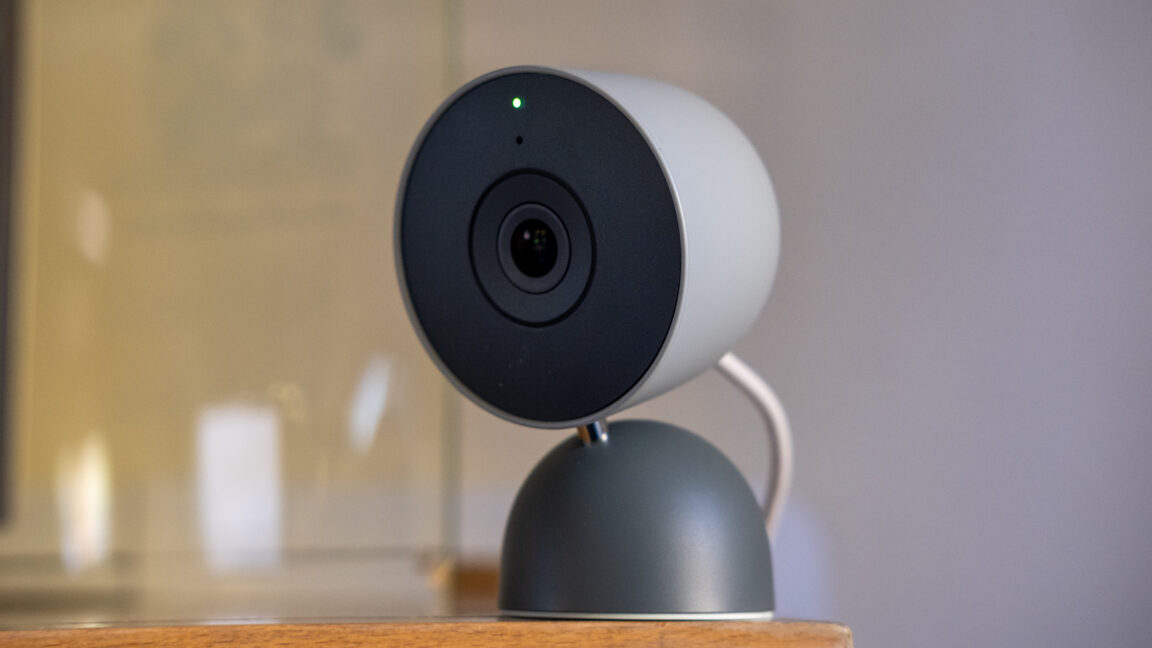
In addition to voice improvements, the Gemini update integrates substantial advancements in camera controls within the Google Home app. Users can now manage their home security systems with greater precision, including features such as real-time video feeds, motion detection alerts, and smart notifications tailored to user preferences. The camera system utilizes an upgraded video compression algorithm which optimizes bandwidth usage while maintaining high-quality video output. This upgrade is particularly beneficial for developers building applications that rely on real-time data streaming, as it allows for better performance and lower latency.
These updates are not just isolated enhancements; they represent a broader movement within the smart home industry toward more interconnected and intelligent systems. As companies like Amazon and Apple continue to innovate their smart home offerings, Google’s strategic focus on AI-driven features sets it apart. The integration of Gemini underscores a commitment to leveraging AI not only for voice recognition but also for an overarching intelligence that connects various home devices into a cohesive ecosystem.
CuraFeed Take: This Gemini update signifies a pivotal moment for Google as it strengthens its position in the competitive smart home market. By enhancing the voice assistant’s capabilities and integrating more advanced camera features, Google is poised to attract developers eager to innovate within this enriched framework. The implications for home automation are profound; as developers, the focus should be on exploring the new APIs and building applications that can tap into these improvements. Future updates may lean towards even more sophisticated AI integrations, fostering an environment where smart homes become increasingly autonomous and user-centric. Companies that adapt quickly to these changes will find themselves at the forefront of this evolving landscape.