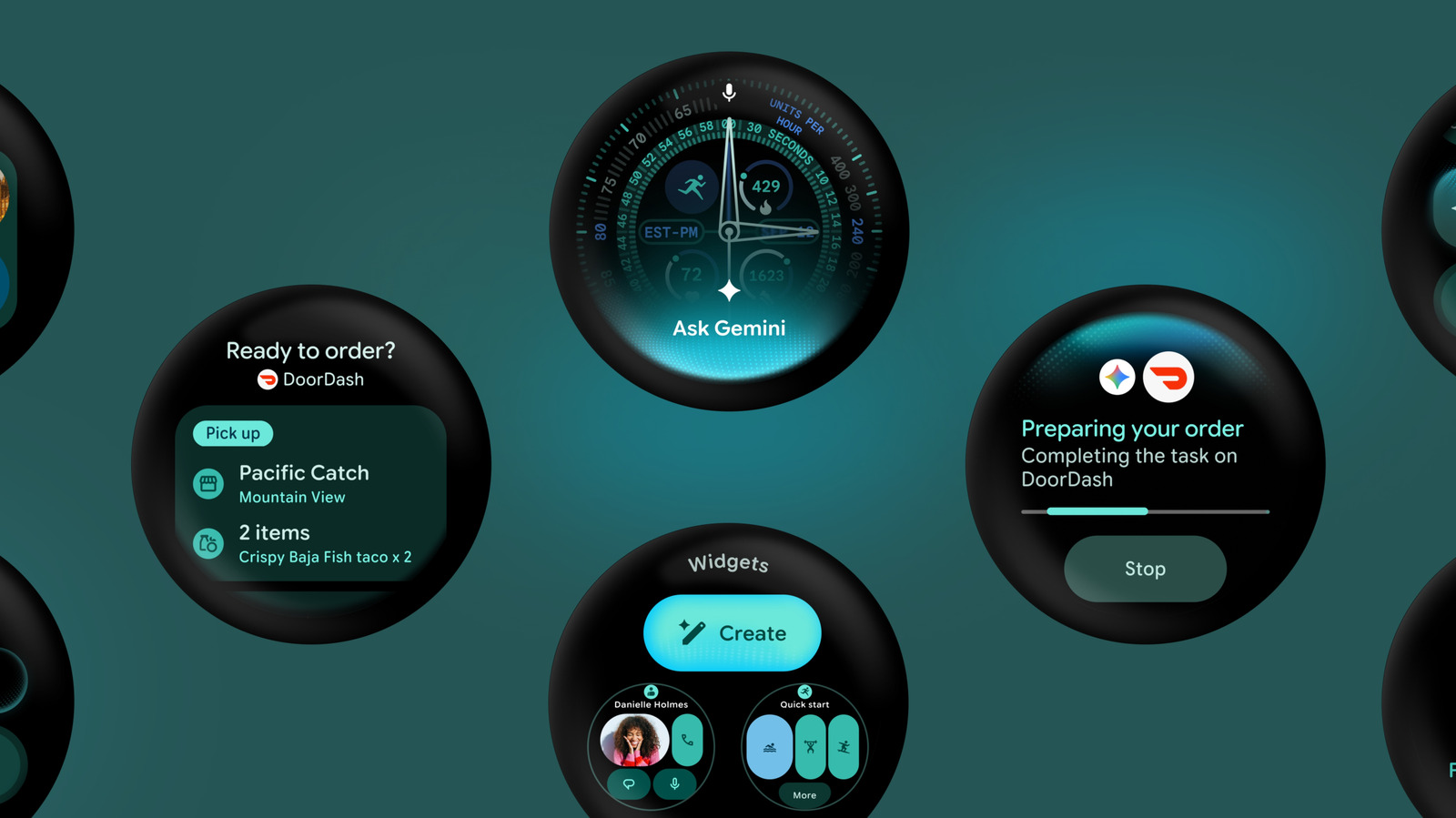
In an era where wearable technology continues to permeate our daily lives, Google’s recent announcement of Wear OS 7 comes at a crucial moment. As consumers increasingly rely on smartwatches and fitness trackers for various functions—from health monitoring to connectivity—this upgrade is aimed at positioning Google as a leader in the wearable tech space. The introduction of new features not only enhances existing functionalities but also sets the stage for future innovations in the industry.
Wear OS 7 is packed with exciting enhancements, most notably the integration of Gemini Intelligence. This cutting-edge AI technology will allow devices to learn from user behavior, providing a more personalized experience. Users can expect smarter notifications, improved health tracking capabilities, and a seamless interaction with other devices in the Google ecosystem. Additionally, the introduction of a new widget system will make it easier for users to access their favorite apps and information at a glance, streamlining their daily routines.
The key players in this update are the engineers and designers at Google, who have worked tirelessly to refine the operating system. The new interface is designed to be more intuitive, allowing both tech enthusiasts and casual users to navigate their devices effortlessly. This update is not just about visual appeal; it also focuses on optimizing performance and battery life, critical factors for wearable devices that often fall short in these areas.
But how does this fit into the broader landscape of artificial intelligence and wearable technology? As more companies enter the wearable market, differentiating one’s product is essential. Google’s emphasis on AI with Gemini Intelligence aligns with the growing trend of integrating machine learning into everyday devices. This approach not only enhances user experience but also positions Google as a frontrunner in the competitive wearable technology sector.
CuraFeed Take: The launch of Wear OS 7 marks a significant step for Google in the ever-evolving wearable technology market. By harnessing the power of AI, Google is not just improving its products; it is redefining how users interact with technology. As competitors scramble to keep pace, companies like Apple and Samsung will need to ramp up their innovation efforts to maintain market share. Going forward, we should closely monitor how users respond to these new features and whether Google can sustain its lead in a rapidly changing landscape.


