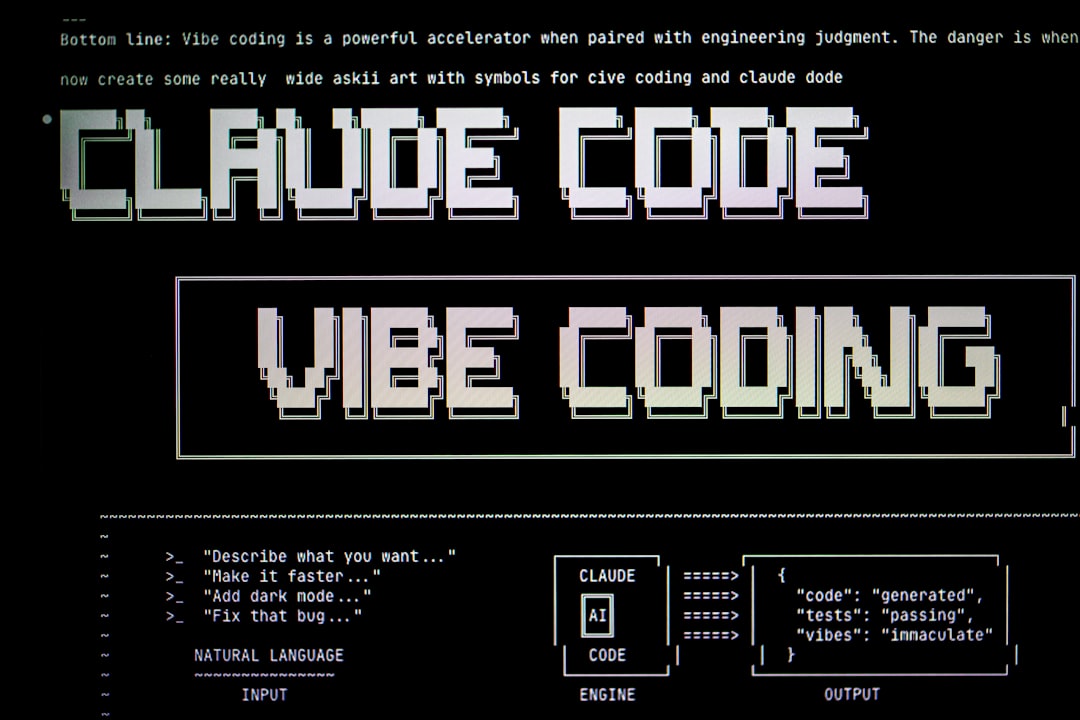
For years, AI coding tools felt like a novelty—impressive in demos but unclear in real life. That's shifting fast. Teams across industries are discovering that AI code assistants can handle surprisingly practical work: automating repetitive tasks, generating documents on demand, and gluing together tools that don't normally talk to each other.
The breakthrough isn't that the technology got smarter—it's that people figured out where it actually saves time. Rather than replacing engineers, these tools excel at the boring stuff: writing boilerplate code, transforming data between formats, generating reports from spreadsheets, or extracting information from documents. One team might use it to automatically convert customer feedback into structured data. Another might generate SQL queries from plain English descriptions. A third could spin up test cases without manual typing.
What makes this practical is integration. The real value emerges when AI code tools connect to your existing workflow—pulling data from your CRM, processing it, and pushing results into Slack or email. It's not magic; it's automation where it matters. Teams report cutting hours off routine work each week, freeing people to focus on strategy and decision-making rather than data entry.
The ten use cases span common scenarios: API integration, file processing, workflow automation, code generation, and data transformation. Some require minimal setup; others need deeper customization. The pattern is clear: wherever your team does repetitive, rule-based work with inputs and outputs, there's likely an opportunity to let AI handle the mechanics.
The question isn't whether this technology works—it's whether your team is ready to identify which tasks it should handle.

