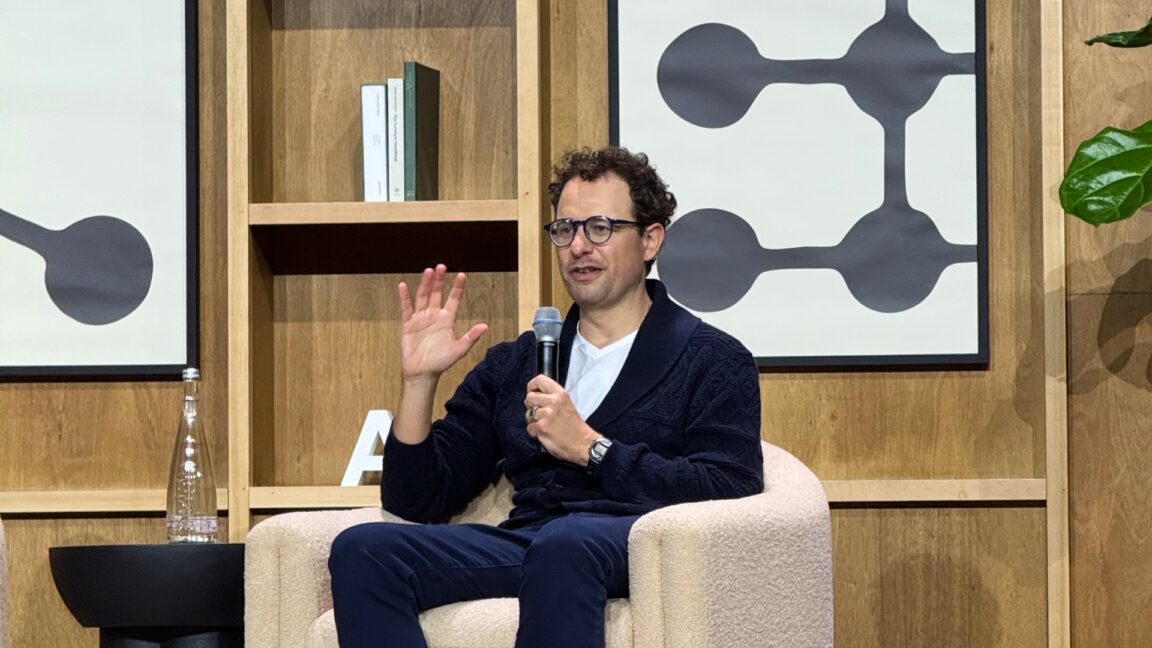
In the rapidly evolving landscape of artificial intelligence, where competition is fierce and innovation is paramount, Microsoft is making waves with its recent focus on user engagement metrics. CEO Satya Nadella has made a compelling case, arguing that the true measure of AI success lies not in the number of seats sold, but rather in cultivating "intense users and intense usage." This perspective is particularly relevant now, as businesses increasingly seek to leverage AI to enhance operational efficiencies and drive revenue growth.
Microsoft's approach comes at a time of remarkable financial performance for the tech giant, reporting record profits and substantial growth in its Azure cloud services. Despite these figures, there remains a notable lack of transparency regarding the actual performance of its generative AI initiatives. By prioritizing engagement metrics, Microsoft is signaling to developers and engineers that user interaction and satisfaction are critical indicators of success in AI deployment.
Nadella's remarks underscore a significant paradigm shift in how companies assess their AI initiatives. Traditionally, metrics such as seat counts and subscription numbers have been used as benchmarks for performance. However, as AI tools become more integrated into business workflows, understanding how intensely users engage with these tools becomes paramount. This involves tracking usage patterns, feature adoption rates, and user feedback — crucial data points that can inform future development and optimization of AI systems.
At the heart of this strategy lies Microsoft's robust cloud architecture, which includes a suite of APIs designed to facilitate seamless integration of AI capabilities into various applications. By leveraging Azure's machine learning services, developers can build and deploy AI models that adapt to user behavior, ultimately enhancing the user experience. This data-driven approach allows for real-time insights, enabling developers to iterate on their solutions based on actual user engagement.
In the broader context of the AI landscape, Nadella’s emphasis on intense user engagement is reflective of a growing trend among technology companies. As AI continues to permeate various sectors, the ability to engage users effectively will distinguish successful products from those that fail to resonate. For example, companies like Google and OpenAI are also facing similar challenges in demonstrating the value of their generative AI products amidst increasing scrutiny and competition.
CuraFeed Take: The shift towards prioritizing user engagement over sheer numbers is a strategic move that could reshape the competitive landscape of AI. Companies that fail to adapt to this new metric may find themselves at a disadvantage, as users increasingly demand more personalized and efficient experiences. Going forward, developers should keep a close eye on engagement analytics, as these will likely dictate the future direction of AI product development and success. The focus on intense usage could herald a new era where the quality of user interactions becomes the gold standard for measuring AI efficacy.