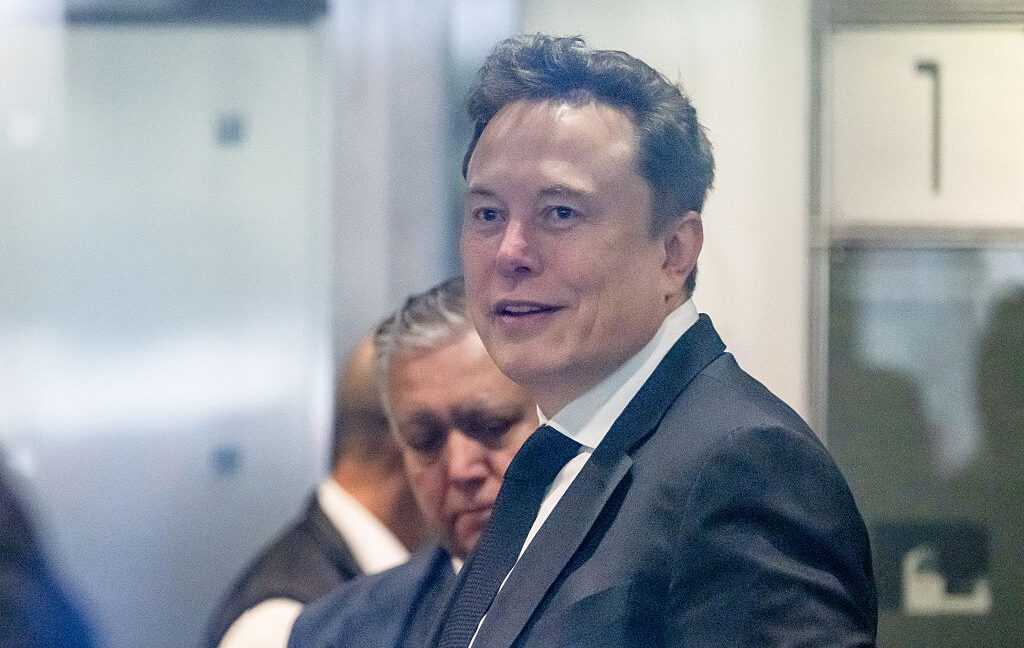
In a significant legal event that has captured the attention of the tech community, Elon Musk took the stand in a groundbreaking trial against OpenAI, where he has raised critical questions about the ethical direction and governance of AI technologies. This trial is not just a personal legal battle; it represents a pivotal moment in the discourse surrounding artificial intelligence development, especially as concerns about safety and accountability come to the forefront. As AI systems become increasingly integrated into various sectors, the implications of Musk's testimony extend far beyond the courtroom, potentially influencing future AI regulations and practices.
Musk's three-day testimony provided a mix of technical insights and controversial assertions that have sparked debate among developers, engineers, and AI ethicists. Throughout his time on the stand, he emphasized the necessity for robust oversight mechanisms in AI development, pointing to the need for transparent algorithms and accountable AI systems. However, several of Musk's claims raised eyebrows among AI practitioners, particularly his interpretation of OpenAI's decision-making processes for its models. He contended that OpenAI had strayed from its original mission to develop AI safely and responsibly, suggesting that profit motives had compromised its ethical framework. This assertion, while alarming, lacks substantial technical evidence, as many argue that profit can often drive innovation in AI.
One of the most notable technical missteps during his testimony was Musk's characterization of large language models (LLMs) and their training datasets. He implied that OpenAI's models were trained on "unfiltered internet data," which, while partially accurate, oversimplifies the complexities involved in data curation and model training. OpenAI employs rigorous methodologies to ensure that its LLMs are trained on diverse, high-quality datasets while also implementing safety protocols to mitigate harmful outputs. Musk's failure to acknowledge these technical nuances has prompted developers to question the validity of his arguments, as it indicates a potential misunderstanding of the intricacies involved in AI model training.
As Musk's trial unfolds, it serves as a critical reminder of the multifaceted challenges facing the AI industry. The ongoing discussions around AI ethics, safety, and governance align with a broader movement towards responsible AI development. In recent years, organizations and developers have increasingly recognized the importance of creating AI systems that are not only powerful but also ethical and transparent. The trial illuminates the pressing need for collaboration among stakeholders, including tech companies, policymakers, and researchers, to establish frameworks that govern AI technologies effectively.
CuraFeed Take: The implications of Musk's testimony extend beyond his personal grievances against OpenAI; it signals a growing demand for accountability within the AI sector. While Musk's concerns highlight legitimate issues regarding ethical AI development, his lack of technical precision risks undermining the very discourse he aims to promote. As the AI landscape evolves, developers should closely monitor the outcomes of this trial and the potential regulatory frameworks that may emerge from it. The balance between innovation and ethical responsibility will be crucial in shaping the future of AI, and stakeholders must remain vigilant to ensure that technological advancements do not compromise societal values.