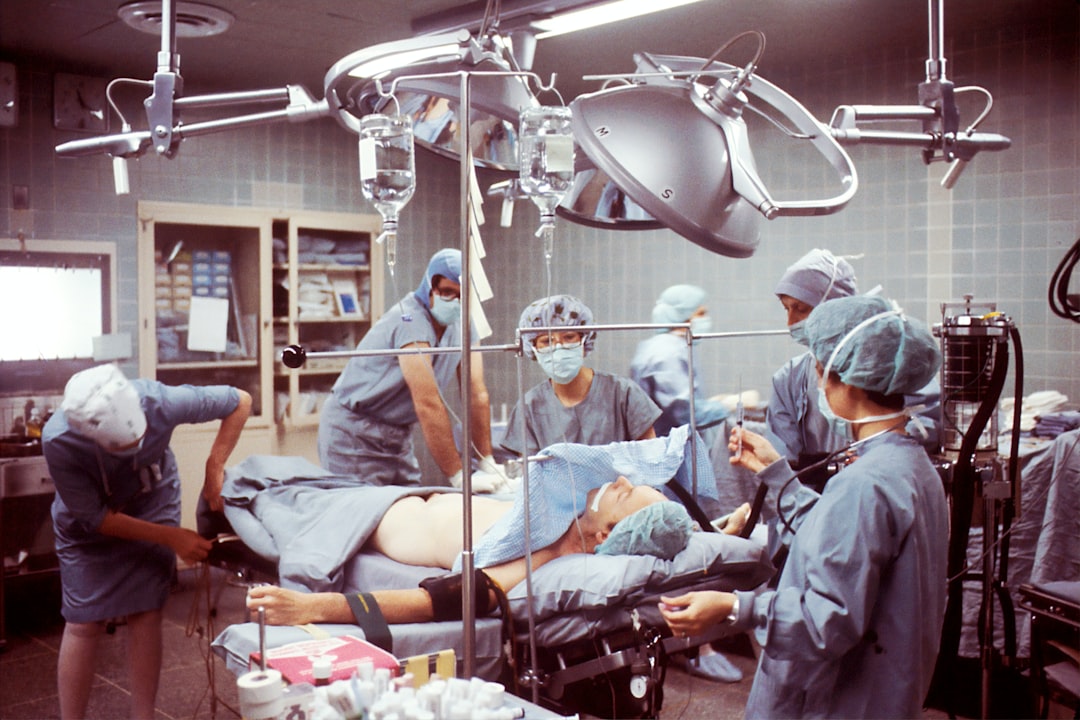
In the ever-evolving landscape of surgical practices, the need for advanced methodologies that enhance team performance is paramount. With growing evidence that both technical execution and non-technical skills—such as communication and coordination—significantly influence surgical outcomes, researchers are increasingly focused on developing robust frameworks for understanding these interactions. The integration of artificial intelligence (AI) in surgical environments has primarily centered around visual workflow signals, yet a considerable gap remains in the structured representation of intraoperative team dynamics. This gap presents an opportunity for innovation, particularly in how surgical teams operate in real-time during critical procedures.
Researchers have introduced a novel approach that employs time-expanded interaction graphs to represent surgical team dynamics effectively. In this model, team members are treated as nodes indexed by time, while their interactions—communication exchanges and other collaborative efforts—are represented as directed edges connecting these nodes. This spatio-temporal framework allows for dynamic modeling of intraoperative interactions, facilitating efficient inference through the use of a static graph neural network architecture. By structuring team interactions in this manner, the model not only predicts procedural efficiency but also quantifies deviations from expected performance durations in real-time, which is crucial for timely interventions.
The methodology utilizes a combination of graph theory and deep learning principles. The time-indexed nodes allow for the incorporation of temporal data, which is vital in capturing the nuances of surgical team interactions. The directed edges provide insights into the flow of communication, enabling the model to identify critical pathways that could either enhance or hinder surgical performance. This framework enhances the interpretability of the neural network's predictions, allowing for actionable insights that can be leveraged during surgery.
One of the remarkable features of this research is its emphasis on counterfactual analysis. By simulating minimal changes in communication structures or behavioral variables, the model can predict potential improvements in surgical outcomes. This aspect is particularly relevant as it provides a mechanism for identifying and implementing effective strategies for team coordination, thus contributing to the overall efficiency of surgical procedures. Experiments conducted on recorded surgical interventions have demonstrated that this structured approach to modeling team dynamics not only enhances the early identification of prolonged interventions but also offers coherent explanations that are vital for surgical teams in high-pressure environments.
In the broader context of artificial intelligence and surgical innovation, this research aligns with a growing trend toward integrating real-time data analytics into the operating room. As surgical procedures become more intricate, the ability to model and analyze team dynamics in real-time will be critical for reducing risks and improving patient outcomes. This work sets a precedent for future research aimed at enhancing surgical AI systems, emphasizing the importance of collaboration and communication within surgical teams.
CuraFeed Take: The implications of this research are profound, as it advocates for a paradigm shift in how surgical teams are supported through technology. By prioritizing team dynamics and communication over mere technical execution, this model holds the potential to reshape training and operational protocols in surgery. Moving forward, stakeholders in the healthcare industry should monitor how these findings are implemented in clinical settings, as they could significantly impact surgical education, team training, and real-time decision-making in the operating room. The future of surgical AI is not just about tools for individual surgeons, but rather about creating a cohesive ecosystem that values and enhances collaborative efforts among surgical teams.