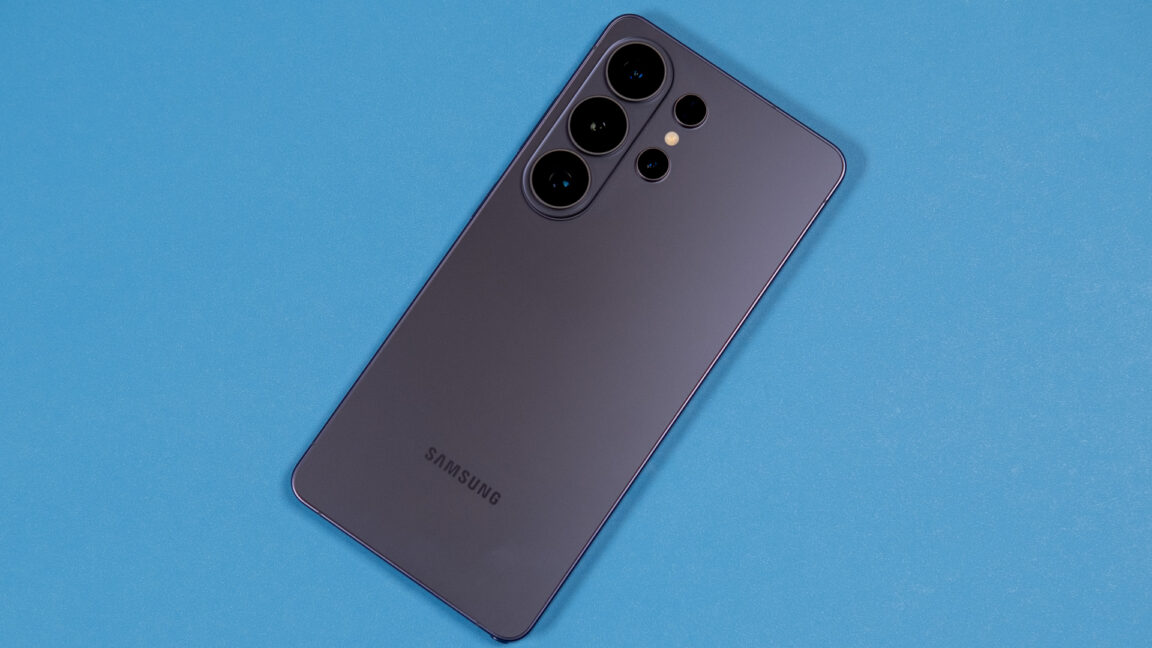
Samsung stands at a critical inflection point. For decades, the company has maintained profitable smartphone operations even during market downturns, but internal discussions now center on a scenario previously unthinkable: negative margins on mobile devices. This isn't a cyclical downturn—it's a structural realignment driven by the explosive demand for AI infrastructure, and it exposes fundamental tensions in how semiconductor manufacturers balance their portfolios.
The root cause is deceptively simple from a supply-chain perspective: high-bandwidth memory (HBM) and advanced DRAM for AI accelerators command premium pricing and guaranteed volume commitments from hyperscalers like NVIDIA, Google, and Meta. When Samsung's fabrication capacity becomes constrained—and it is—the company faces a brutal optimization problem. Do you allocate wafer starts to memory chips that generate 40-50% gross margins for data center applications, or to smartphone DRAM and NAND flash that typically yield 25-35% margins? The math is unforgiving.
What makes this particularly acute for Samsung is the structural nature of the demand. Unlike previous memory cycles where demand spikes were temporary, the AI infrastructure buildout appears to be multi-year. Cloud providers are locking in long-term supply agreements and demanding capacity guarantees. Refusing these orders means ceding market share to SK Hynix and Micron, competitors equally hungry for the lucrative data center segment. Meanwhile, smartphone manufacturers—Samsung's own mobile division included—face allocation cuts and longer lead times for commodity memory components.
The financial impact cascades through Samsung's P&L in multiple ways. First, there's the direct revenue hit: if smartphone volumes remain steady but memory allocation shrinks, the division must source externally at spot market prices, immediately compressing unit economics. Second, there's the opportunity cost of capacity that could have served consumer devices but instead serves infrastructure. Third, and perhaps most insidious, is the competitive positioning. If Samsung's own phones ship with inferior memory configurations compared to competitors' devices using Micron or SK Hynix components, product differentiation suffers—potentially accelerating market share loss to Apple and Chinese manufacturers.
This scenario reflects a broader industry restructuring. For the past 15 years, smartphone demand was the gravitational center of the memory industry. DRAM and NAND flash architectures, manufacturing roadmaps, and supply chains were optimized around consumer devices. The AI boom has inverted this hierarchy. Hyperscalers now drive specification requirements, volume commitments, and pricing power. Traditional smartphone-centric memory vendors are experiencing a tectonic shift in their business models.
Samsung's predicament also highlights the fragility of vertical integration. Unlike fabless competitors, Samsung owns both memory design and manufacturing. This should theoretically provide flexibility, but it creates internal conflicts. The memory business unit can justify hoarding capacity for high-margin AI chips, while the smartphone division—also part of Samsung—gets squeezed. Coordinating these competing interests at the executive level is proving more difficult than anticipated.
The technical architecture decisions compound the problem. HBM3 and HBM3E production requires specialized process nodes and packaging techniques that differ significantly from standard DRAM. This means Samsung can't simply redirect commodity memory capacity to AI applications—it requires targeted investment in new manufacturing lines. Conversely, smartphone DRAM and NAND flash production relies on proven, high-volume processes that are easier to scale but generate lower margins. The company is caught between investing in future AI capacity (which cannibalizes near-term smartphone profitability) or protecting consumer device margins (which risks losing data center market share).
CuraFeed Take: Samsung's margin crisis is a leading indicator of a fundamental power shift in semiconductor economics. For builders relying on Samsung components—whether you're developing mobile applications or integrating memory into edge AI systems—expect allocation constraints and potential supply chain friction. The company will likely prioritize hyperscaler contracts over consumer device commitments, meaning smartphone OEMs should diversify their memory sourcing immediately. For infrastructure teams, this actually presents an advantage: Samsung's financial pressure may accelerate price competition in the HBM market as they fight to defend data center revenue. Watch for Samsung's next earnings call carefully—if smartphone margins go negative, it signals that the AI infrastructure buildout has fundamentally reordered semiconductor industry priorities, and traditional consumer electronics vendors will need to rethink their supply strategies entirely.