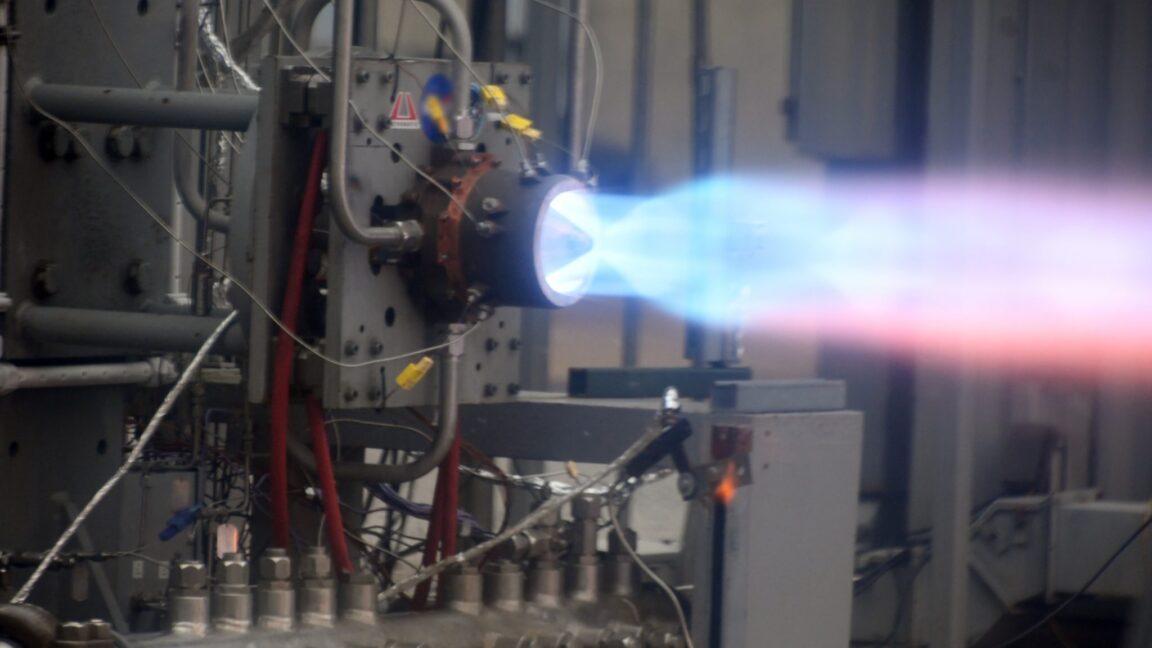
The aerospace industry is experiencing a fundamental transformation in how launch vehicles are engineered, operated, and optimized. What was once purely mechanical problem-solving is now deeply intertwined with machine learning pipelines, predictive analytics, and autonomous decision-making systems. SpaceX's recent strategic repositioning as an AI company isn't merely marketing—it reflects the technical reality that modern rocket operations depend on sophisticated neural networks and data-driven systems that extend far beyond traditional avionics.
This shift arrives at a critical juncture. NASA's Artemis III lunar mission architecture is entering its final engineering phases, and the vehicle's readiness hinges on solving complex optimization problems that AI systems are uniquely positioned to address. From propellant loading sequences to real-time flight dynamics adjustments, the integration of machine learning into launch operations represents a generational leap in how we approach spaceflight reliability and efficiency.
SpaceX's transition toward AI-centric operations encompasses several technical domains. The company is deploying neural networks for predictive maintenance across its Starship and Falcon 9 fleets, analyzing sensor telemetry to forecast component failures before they occur. Their launch sequencing algorithms now incorporate reinforcement learning models that optimize the timing of engine ignition events and stage separation procedures. Additionally, SpaceX is integrating computer vision systems powered by deep learning for autonomous vehicle inspection and damage assessment—critical capabilities for their rapid reusability goals.
The technical architecture supporting these systems relies on distributed inference at the edge. Rather than centralizing all decision-making in ground-based servers, SpaceX is embedding lightweight transformer models directly into flight computers and ground support equipment. This approach reduces latency in mission-critical decisions and provides redundancy if communication links are compromised. The company has also invested heavily in synthetic data generation, training models on simulated launch scenarios to cover edge cases that rarely occur in real operations.
NASA's Artemis III program is adopting complementary strategies. The Space Launch System (SLS) architecture incorporates machine learning for autonomous health monitoring during the eight-day journey to lunar orbit. Guidance and navigation systems leverage AI-assisted trajectory optimization to reduce propellant consumption—a critical factor when operating at the Moon's distance. The Orion spacecraft's avionics suite includes neural network models trained to detect anomalies in life support systems, thermal management, and power distribution networks.
The broader context reveals why this convergence is inevitable. Traditional rocket science relied on extensive ground testing, conservative safety margins, and manual decision-making by experienced engineers. This approach works but is expensive and slow. Machine learning enables data-driven optimization that discovers novel solutions humans might miss. For instance, AI systems analyzing historical launch data can identify subtle correlations between environmental conditions and engine performance that inform better go/no-go decisions. Predictive models trained on thousands of simulated failures help engineers design more resilient systems from the outset.
The integration of AI into spaceflight operations also addresses a fundamental engineering challenge: managing complexity at scale. Modern rockets generate petabytes of sensor data across thousands of parameters. No human team can synthesize this information in real-time. AI systems excel at this task, identifying patterns in high-dimensional data and triggering alerts when anomalies emerge. For Artemis III, this capability is essential—the mission profile involves multiple engine burns, orbital rendezvous, and lunar descent sequences that demand continuous optimization.
CuraFeed Take: SpaceX's AI pivot is strategically sound but represents a significant cultural shift in how the aerospace industry approaches engineering. The company is essentially betting that machine learning will become as fundamental to rocket operations as combustion chemistry. This is likely correct, but it creates a new category of technical risk: algorithmic failure modes. A neural network trained on historical data might fail catastrophically when encountering novel scenarios. The industry needs robust validation frameworks that treat AI systems with the same rigor applied to traditional avionics—something we're still developing.
The competitive implications are substantial. Companies investing early in AI-integrated launch operations will achieve faster iteration cycles, lower operational costs, and superior reliability. NASA's commitment to AI systems in Artemis III signals that government programs are embracing this paradigm shift, validating the approach for the broader industry. Watch for two developments: first, whether commercial operators can demonstrate that AI-driven maintenance actually reduces launch delays and vehicle losses; second, how regulatory bodies establish certification standards for machine learning systems in flight-critical applications. The company that solves the regulatory puzzle while maintaining safety will define the next decade of spaceflight.