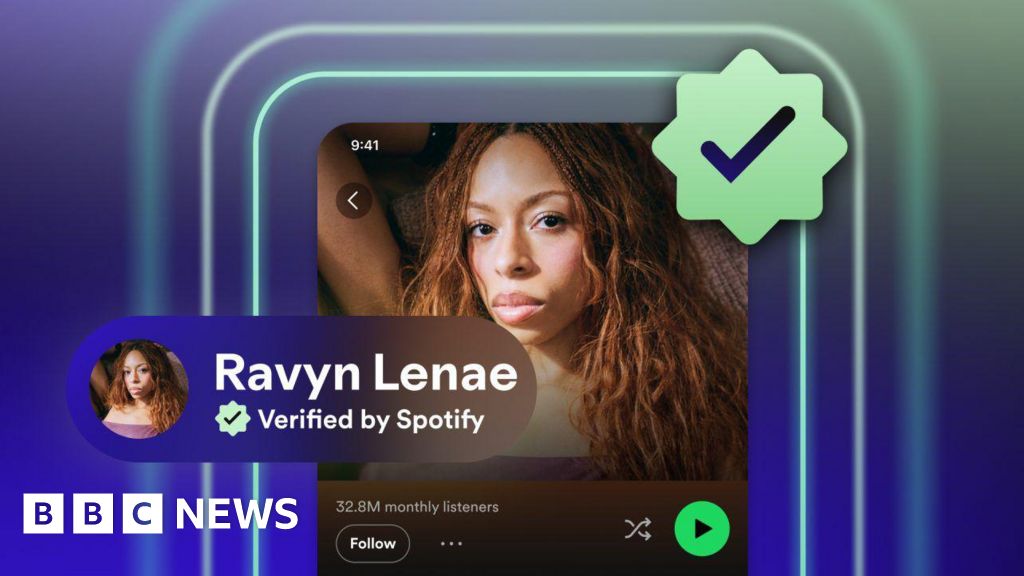
The music industry is undergoing a seismic shift as artificial intelligence technology continues to evolve and permeate various creative domains. In an era where machine-generated compositions are becoming increasingly sophisticated, Spotify has recognized the need to maintain a clear distinction between human artists and AI-generated music. This month, the streaming giant rolled out a new feature: 'Verified' badges for artists, aimed at reassuring listeners about the authenticity of the music they consume.
Spotify’s initiative comes at a crucial time when AI tools are enabling a wave of creators to produce music that closely mimics human artistry. This has raised questions about the originality and ownership of musical works, prompting the platform to take decisive action. The 'Verified' badge will be displayed prominently on artists' profiles, serving as a visual cue for users to identify genuine human creators. This move not only reinforces Spotify's commitment to artist rights but also aligns with its broader strategy to enhance user experience and trust in an increasingly complex digital landscape.
The technical implementation of this feature involves a multi-faceted approach. Spotify is leveraging its existing artist verification framework, which already includes criteria such as follower count and engagement metrics. By integrating additional parameters that assess the artist's portfolio, user interactions, and perhaps even the characteristics of their music—like composition techniques and lyrical analysis—Spotify can ensure that the 'Verified' badge is granted to artists who truly create original content. This could involve sophisticated machine learning algorithms that analyze audio features and compare them against a database of known AI-generated music, providing a robust mechanism for classification.
Moreover, this initiative signals a broader trend in the AI landscape, where companies are grappling with the implications of generative technologies on traditional creative fields. As AI tools become more accessible, the risk of diluting artistic authenticity grows. By proactively addressing this issue, Spotify positions itself as a leader in safeguarding the integrity of music creation and consumption. The introduction of 'Verified' badges can be seen as a strategic move to not only enhance the user experience but also to set a precedent for other platforms navigating similar challenges.
In the larger context of AI development, the move by Spotify is indicative of a growing recognition among tech companies that transparency and authenticity must be prioritized. As AI-generated content becomes ubiquitous across platforms, the need for clear labeling and verification will likely intensify. This could lead to the adoption of similar initiatives across other creative industries, such as literature, visual arts, and journalism, where the lines between human and machine-generated content continue to blur.
CuraFeed Take: Spotify’s rollout of 'Verified' badges could reshape not just how music is consumed but also how it is created and valued. This feature empowers users with the knowledge of who they are supporting—human artists or AI entities—potentially influencing market dynamics and consumer behavior. As the industry watches closely, the next steps Spotify takes will be crucial; they may further refine the verification process or expand it to include AI-generated music, creating a more comprehensive ecosystem that respects and differentiates between human creativity and artificial intelligence.