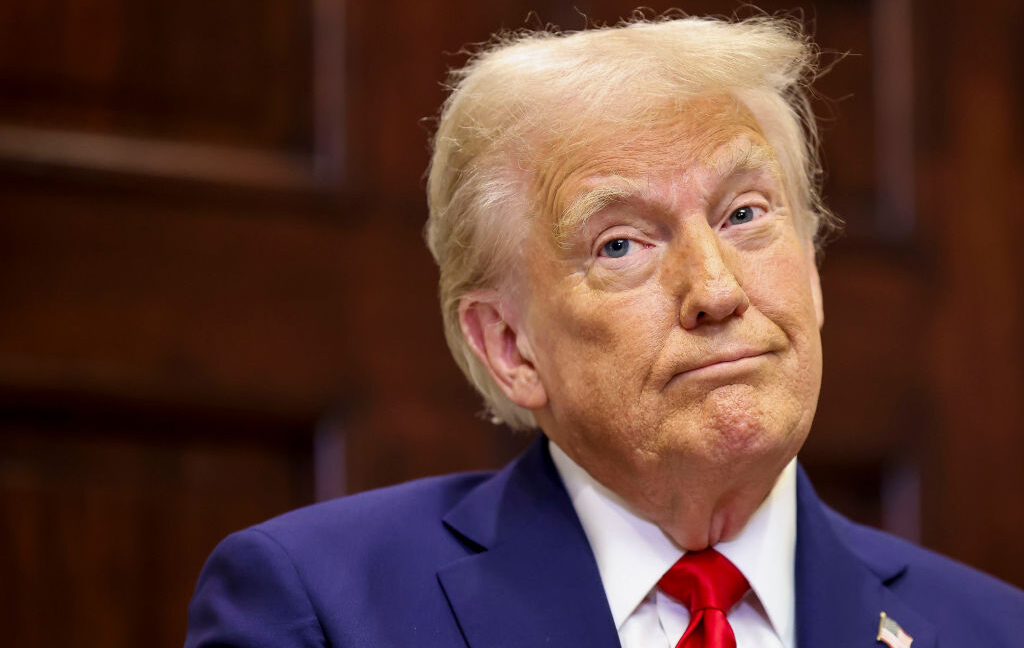
As advancements in artificial intelligence continue to evolve at a breakneck pace, the dialogue surrounding AI safety has reached a critical juncture. The recent acknowledgment by former President Donald Trump of the importance of AI safety testing highlights a significant shift in the political landscape, especially in the context of emerging technologies. With concerns about the ethical implications and potential risks associated with AI systems intensifying, the call for standardized safety protocols has never been more pressing.
During a recent public address, Trump appeared to concede the validity of President Biden's proposals regarding AI safety frameworks. The Biden administration has been pushing for comprehensive AI testing and regulatory guidelines aimed at mitigating risks associated with AI deployment in various sectors, from autonomous vehicles to healthcare applications. This newfound alignment from Trump suggests a bipartisan recognition of the necessity for robust safety measures, particularly in light of the rapid advancements and the potential for misuse of AI technologies.
The technical specifics surrounding AI safety testing involve establishing frameworks and protocols to evaluate the performance, reliability, and ethical implications of AI systems before they are deployed in real-world scenarios. This includes implementing rigorous testing methodologies using APIs and machine learning models that can assess a system's behavior under various conditions. For instance, the use of simulation environments allows developers to stress-test AI algorithms against potential failure modes, ensuring that they behave predictably and responsibly.
In addition, the integration of AI explainability tools and bias detection algorithms is crucial in the safety testing process. These tools help developers understand the decision-making processes of AI systems, ensuring that they adhere to ethical guidelines and do not perpetuate harmful biases. The push for these testing methodologies underscores the shift towards a more responsible approach to AI development, one that prioritizes safety and accountability.
Furthermore, Trump's acknowledgment of the Biden administration’s stance on AI safety testing arrives at a time when the AI landscape is increasingly dominated by discussions of governance and ethical standards. The growth of generative AI technologies, such as large language models and deep learning systems, has introduced new complexities in AI deployment. As these systems find their way into critical infrastructures, the need for standardized safety protocols becomes imperative to prevent catastrophic failures.
In the context of the broader AI landscape, this political shift reflects growing concerns about AI's implications on society. Regulatory bodies, technologists, and policymakers are beginning to converge on the necessity of frameworks that ensure AI systems are not only innovative but also safe and beneficial. As AI continues to permeate various aspects of daily life, the establishment of safety testing protocols will likely be a cornerstone of future legislation and development practices.
CuraFeed Take: The implications of this newfound consensus on AI safety testing are profound. It represents a potential turning point in how AI technologies are governed, with both political parties recognizing the risks associated with unchecked AI deployment. Moving forward, developers and engineers should watch for new regulatory frameworks that may emerge, as well as the standards that will dictate the development of AI safety protocols. The landscape is ripe for innovation, but only if it is underpinned by rigorous safety measures that prioritize public trust and ethical considerations.