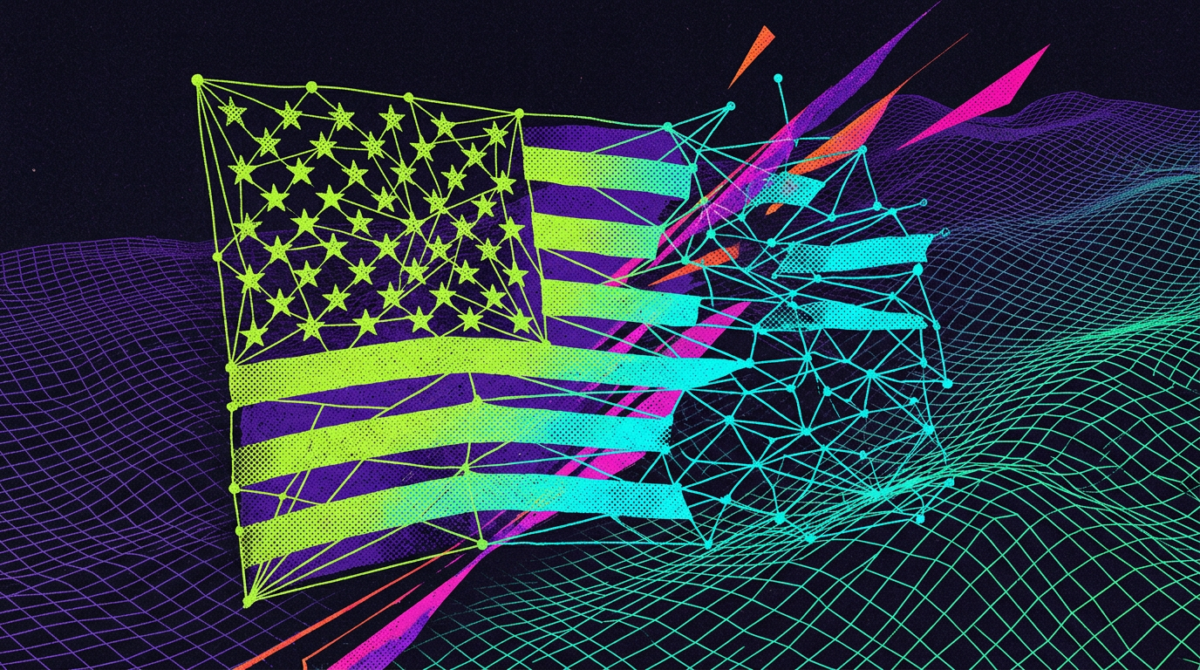
As the world becomes increasingly interconnected and the realm of artificial intelligence (AI) continues to evolve, the urgency for robust national security measures has never been more pronounced. In a bold initiative, the US Department of Commerce is enhancing its AI safety testing protocols by partnering with top-tier AI labs to evaluate their models in classified environments. With growing concerns over cybersecurity threats and the ever-present competition with global rivals, particularly China, this move is not just timely; it is crucial.
The five major players involved in this initiative are Anthropic, OpenAI, Google DeepMind, Microsoft, and xAI. Each of these companies has entered into agreements with the Center for AI Standards and Innovation (CAISI) to provide AI models that have had certain safety guardrails minimized or removed entirely. This access allows government entities to rigorously test these models under controlled conditions, which is essential for assessing their capabilities and potential vulnerabilities in real-world applications, especially in sensitive areas such as defense and cybersecurity.
From a technical standpoint, this agreement signifies a shift in how AI models are developed and evaluated, particularly in the context of national security. By providing pre-release access, the government can conduct comprehensive evaluations of the models’ performance metrics and behaviors, which could include stress-testing the algorithms against various threat scenarios or understanding their decision-making processes. The incorporation of APIs that facilitate seamless integration with existing government infrastructures will also be vital for the successful deployment of these models in classified settings.
This initiative does not exist in a vacuum; it reflects broader trends within the AI landscape. The integration of AI into national security frameworks has been accelerating, driven by the need to respond to sophisticated cyber threats and the increasing reliance on technology for strategic defense operations. As tech companies like Microsoft and Google deepen their roles in national security, they are also redefining the parameters of AI safety and ethical guidelines in deployment. This partnership could set a precedent for other nations, potentially leading to a global standard for AI governance in security applications.
CuraFeed Take: The implications of this agreement are profound. The US government stands to gain a significant advantage in understanding AI models' potential risks and capabilities before they are deployed in critical applications. However, this move also raises ethical questions regarding the use of AI in defense and surveillance. As AI technologies continue to develop rapidly, stakeholders must remain vigilant about the balance between innovation and security, ensuring that these powerful tools are used responsibly. Looking ahead, it will be essential to monitor how these models perform in testing and the regulatory frameworks that emerge as a result of this unprecedented collaboration.