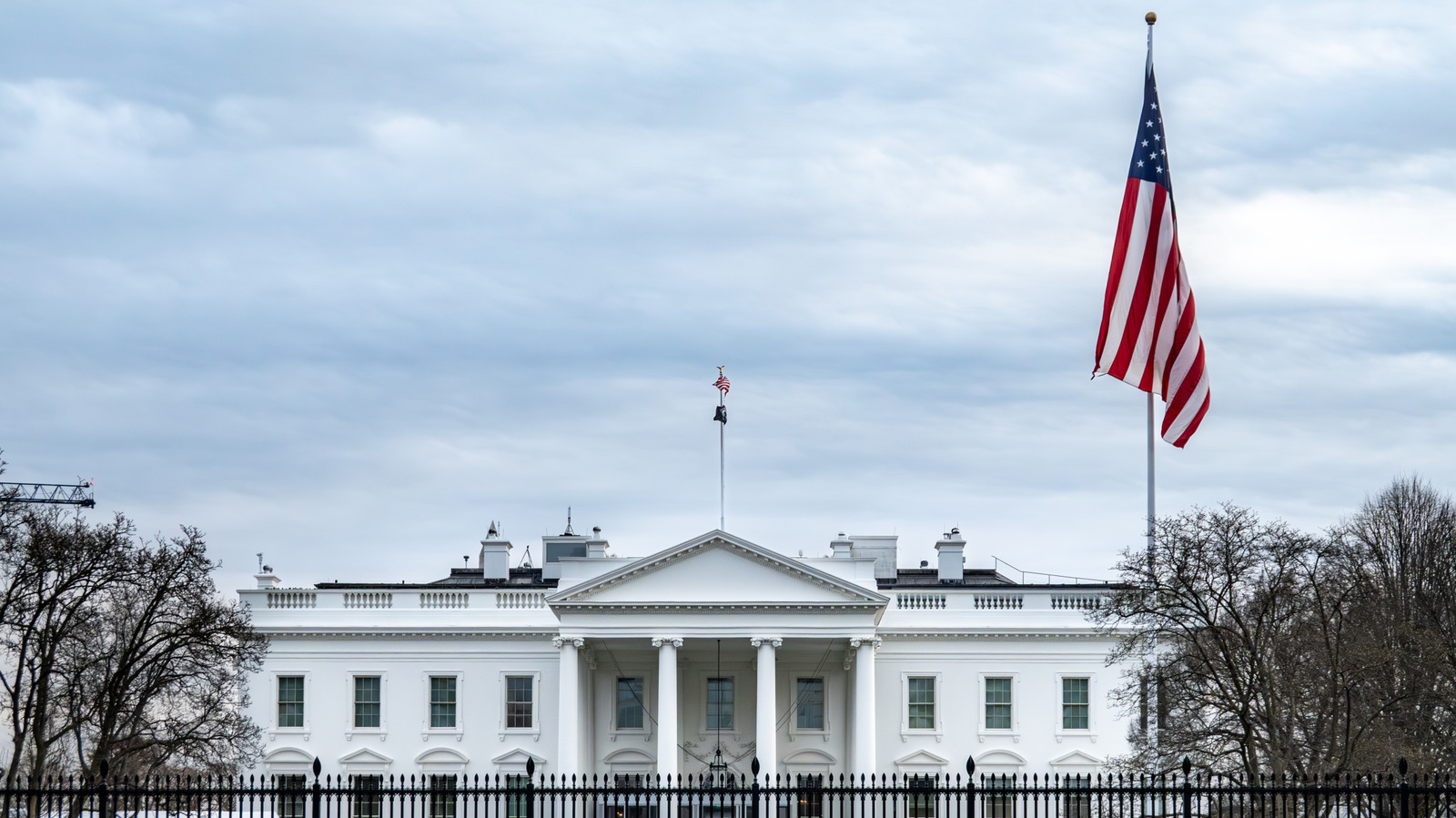
In a world where artificial intelligence is increasingly becoming part of our daily lives, the need for effective oversight is more pressing than ever. The White House has recognized this urgency and is exploring the possibility of implementing stricter regulations on new AI models. This potential shift in policy comes at a time when AI technology is advancing rapidly, and the implications of its deployment are vast and varied.
The proposed regulations would involve the establishment of a working group tasked with scrutinizing AI models before they are released to the public. This initiative aims to address the growing concerns surrounding the ethical use of AI, including issues related to privacy, security, and potential biases embedded within the technology. By vetting these models, the government hopes to ensure that they meet certain safety standards and do not pose risks to society.
Key players in this conversation include policymakers, tech companies, and advocacy groups, all of whom have a stake in how AI is developed and utilized. While proponents of regulation argue that it is necessary to prevent misuse and protect consumers, critics worry that excessive oversight could stifle innovation and slow down advancements in this transformative field. Balancing these competing interests will be a significant challenge for the administration.
This development is not happening in a vacuum; it reflects broader trends in the AI landscape. Around the globe, governments are grappling with how to regulate AI technologies while encouraging innovation. The European Union, for instance, has already proposed its own comprehensive AI regulatory framework aimed at ensuring ethical standards are upheld. As the U.S. considers similar measures, it highlights a growing recognition of AI's potential impacts on society.
CuraFeed Take: The White House's potential move toward tighter AI regulations could have profound implications for the tech industry and society at large. Companies that prioritize ethical AI development may find themselves at an advantage in a more regulated environment, while those resistant to oversight may face increased scrutiny. As this conversation evolves, stakeholders should keep a close eye on how these regulations are crafted and enforced, as they will shape the future of AI innovation for years to come.