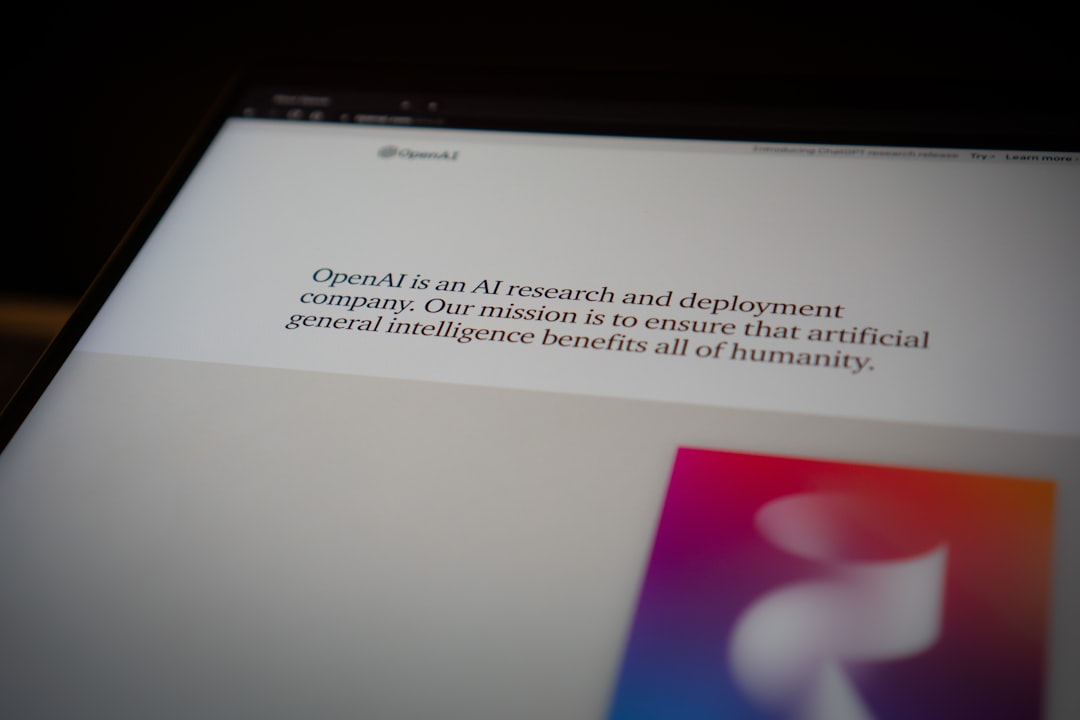
The world of artificial intelligence has been rapidly transforming, with innovations emerging at an unprecedented pace. As we stand on the brink of a new era in AI, financial investments in pioneering companies are shaping the landscape. One such investment, albeit a small one, is Y Combinator's 0.6% stake in OpenAI, a move that carries significant implications for the future of AI development and deployment.
Y Combinator (YC), a prominent startup accelerator, has been instrumental in nurturing some of the tech industry's most successful companies. Their decision to invest in OpenAI, a leading research organization committed to ensuring that artificial general intelligence (AGI) benefits all of humanity, may appear modest at first glance. However, this 0.6% stake represents a strategic alignment with one of the foremost entities driving AI research and application across various sectors, including healthcare, finance, and transportation. This equity stake is not just a financial commitment; it symbolizes a trust in OpenAI's mission and its technology roadmap.
Technically, OpenAI has made strides in developing cutting-edge models like GPT-3 and its successors, which leverage deep learning techniques to understand and generate human-like text. By tapping into vast datasets and employing advanced architectures like transformers, OpenAI has positioned itself at the forefront of natural language processing (NLP). The implications of YC's investment extend beyond mere numbers; it indicates a potential for collaboration that could foster innovation and accelerate the development of next-gen AI solutions. For example, YC-backed startups may gain access to OpenAI's APIs, enabling them to integrate powerful AI capabilities into their products seamlessly.
Y Combinator’s involvement also highlights the growing trend of venture capitalists investing in AI startups. The accelerator's network could provide OpenAI with valuable insights and connections to other developers and engineers looking to leverage AI. This kind of interaction is vital as the industry shifts towards more collaborative efforts to tackle complex AI challenges, such as ethical AI use, transparency, and bias mitigation. As AI becomes more integrated into our daily lives, ensuring responsible AI development is paramount, and Y Combinator's stake may influence OpenAI's approach to these issues.
The landscape of AI is evolving rapidly, with numerous players vying for dominance. Companies like Google, Microsoft, and others are also heavily investing in AI research and development. Y Combinator’s stake in OpenAI places it within a competitive context where collaboration can lead to shared advancements. The ongoing discourse around AI capabilities and the regulatory environment surrounding these technologies only adds complexity to the scenario. As AI tools become more sophisticated, the importance of responsible governance and ethical considerations will continue to rise.
CuraFeed Take: Y Combinator’s investment in OpenAI, while seemingly small, represents a significant endorsement of the direction AI is taking. The partnership could catalyze innovation across YC’s portfolio, potentially leading to new applications and services that leverage OpenAI's technologies. As developers and engineers, it’s essential to keep an eye on how this relationship evolves and influences the broader AI ecosystem. The future could see a wave of startups emerging that are not only built around AI technologies but also contribute to shaping the ethical framework that governs their use.