In an era where smart home devices are becoming an integral part of our daily lives, Google's latest updates to its Home technology are making waves. With the integration of Gemini-powered camera features, Google is not only improving user experience but also setting a new standard for what consumers can expect from their home automation systems.
This week, Google announced enhancements to its Home products, particularly focusing on camera functionalities. Users enrolled in the early access program are already enjoying these innovative features, which leverage the capabilities of Gemini, Google’s advanced AI framework. This update includes improved image recognition, enhanced surveillance capabilities, and smarter notifications, allowing homeowners to manage their environments more efficiently than ever before.
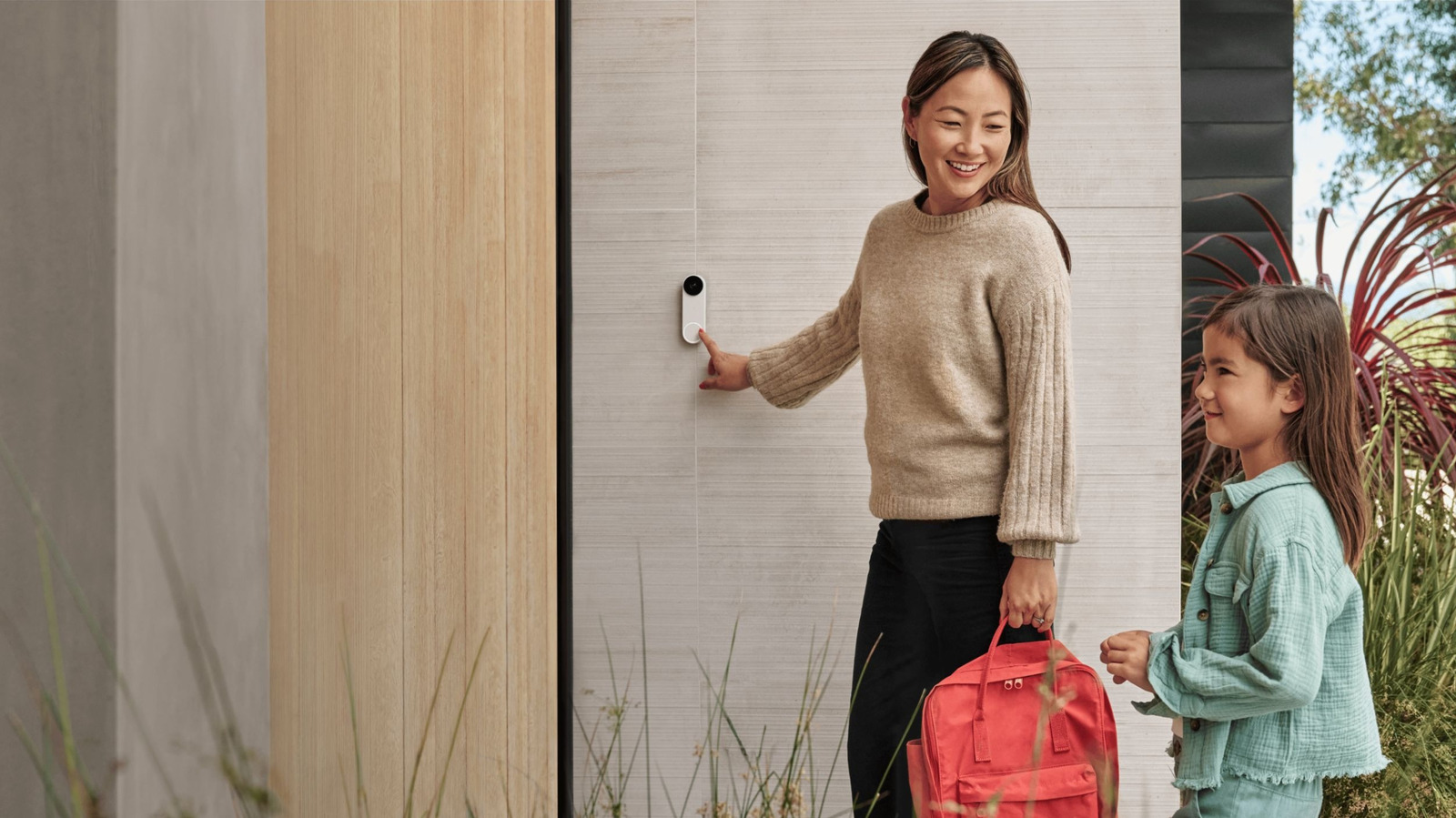
The Gemini updates are designed to make the Google Home camera system more responsive and intuitive. For instance, the cameras can now distinguish between familiar faces and strangers, reducing false alarms and providing more relevant alerts. Additionally, these enhancements enable users to access live feeds with superior clarity and even engage with the camera via voice commands, making it easier to monitor their homes remotely.
As smart home technology continues to evolve, Google's advancements with the Gemini system are not just about adding features; they represent a broader trend in the AI landscape. With competition heating up among tech giants, including Amazon and Apple, Google’s proactive approach to integrating AI into its devices positions it as a leader in smart home innovation. This move aligns with the ongoing shift towards more intelligent, user-friendly, and automated living spaces, catering to the increasing demand for seamless integration of technology in daily life.
CuraFeed Take: The rollout of Gemini-powered features in Google Home could be a game-changer for the smart home industry. By enhancing the functionality and user experience of their cameras, Google is not only solidifying its position in the market but also pushing competitors to elevate their offerings. As these technologies become more widespread, consumers should keep an eye on how privacy implications and user demands shape future updates. The winners in this space will be those who can balance innovation with security, making smart homes both smarter and safer.